Last updated May 16, 2026
Audience guide · lifestyle
GLP-1 for Shift workers in 2026
Circadian disruption + meal timing chaos + injection scheduling
Verified by James Cole, MD, FACOGHow we review
Shift workers (nurses, firefighters, transit workers, factory workers) face higher obesity rates from circadian disruption, irregular meal timing, and night-shift metabolic effects. GLP-1 use requires careful injection scheduling and side-effect management around shift patterns.
Who this guide is for
- Profile
- ~21M US workers on rotating, night, or evening shifts. 30% higher obesity rate than day workers.
- Common goals
- Counteract shift-work weight gain, improve metabolic markers despite circadian disruption.
- Constraints
- Meal timing chaos affects titration tolerance. Night-shift nausea timing complicates dose schedule. Higher T2D risk requires earlier intervention.
- Coverage reality
- Same insurance access as day workers. Many unionized shift workers have generous health benefits (firefighters, nurses) — easier PA approval.
Ranked for Shift workers
Fit scores reflect this audience’s constraints — not raw clinical efficacy. A drug can be 9/10 overall yet 4/10 for a specific audience because of coverage or cost.
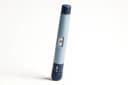
- 1Ozempic8.5/10 fit
Semaglutide approved for type 2 diabetes
Weekly dosing simplifies scheduling around rotating shifts. Cardiovascular benefit critical — shift work doubles CV risk.
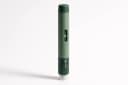
- 2Mounjaro8.5/10 fit
Tirzepatide for type 2 diabetes
Same weekly schedule. Better glycemic control during circadian-disrupted insulin sensitivity.
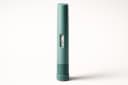
- 3Zepbound8.0/10 fit
FDA-approved tirzepatide for weight loss
OSA + obesity coverage especially relevant — shift workers have 2-3x higher OSA prevalence.
Heads up: Sleep study during day-shift week for accurate AHI measurement.
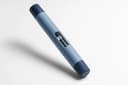
- 4Wegovy7.5/10 fit
FDA-approved semaglutide for chronic weight management
Standard weekly weight-loss pathway. Many unionized workers have generous coverage that includes weight-loss drugs.
- 5Hims & Hers Weight Loss6.0/10 fit
Compounded semaglutide via telehealth
Cash-pay option for non-unionized shift workers without insurance access. Telehealth fits irregular schedules.
Heads up: Less robust care coordination — escalating side effects mid-shift are harder to manage async.

Key considerations
- Inject at consistent time within shift pattern
Pick a fixed day-of-week (e.g., every Wednesday morning) regardless of which shift you're working. Avoid dosing right before a difficult shift — peak nausea often hits 24-48h after injection.
- Meal timing requires planning
GLP-1 appetite suppression interacts with shift-work meal timing chaos. Plan one substantial meal during your "wakeful 8 hours" to avoid undernutrition. Protein focus.
- OSA screening highly indicated
Shift workers have 2-3x higher OSA risk. Sleep study + OSA diagnosis unlocks Zepbound coverage (Medicare 2024 indication). Worth the screening effort.
Frequently asked questions
When should I inject if I work nights?
Pick a fixed day-of-week (any day) and inject at the start of your rest period. This puts peak nausea (24-48h post-injection) during sleep/rest, not during shift. Stay consistent week-to-week.
Will GLP-1 interfere with night shift performance?
Most patients adapt within 4 weeks. Early titration nausea can be challenging for the first month. Schedule starting dates around shift rotations — first injection during a longer rest break helps.
I work for the city/county — will my benefits cover this?
Public sector unions often have generous health benefits that include weight-loss GLP-1s without exclusion. Check your benefits booklet specifically for "weight-loss medications" — coverage is typically better than commercial private-sector plans.
Audience guides synthesize coverage data, clinical recommendations, and demographic-specific constraints. Always verify your specific situation with a licensed prescriber.
Last verified: May 16, 2026