1 min left
Semaglutide
Wegovy review: cost, effectiveness, and 2026 verdict
Editor's ChoiceBest for CV RiskTransparent Pricing
FDA-approved mfrWegovy (semaglutide 2.4mg) is an FDA-approved once-weekly injection for adults with obesity or overweight with comorbidities.
0.0
/ 10
Board-certified EndocrinologistUpdated May 16, 20261 min read
Verified May 16, 2026 by Sarah Nguyen, MD, FACE
Starting price
$1,349/mo
or covered by insurance
FDA status
FDA-approved
Brand drug
Format
Weekly injection
Self-administered
Refund policy
Pharmacy-dependent
Rx drug — no refund
Timing
When does Wegovy start working?
- Days 1-7
First weekly injection. Subtle reduction in appetite reported by some users within 24-48 hours. No clinically significant weight change.
- Weeks 2-4
Appetite suppression more consistent. Most users notice satiety changes — feeling full faster, less interest in food. Early weight loss ~1-3 lbs typical.
- Weeks 4-12
Titration progresses through 0.5 → 1 → 1.7 mg. Weight loss accelerates. STEP-1 cohort averaged 6% body weight loss at 12 weeks.
- Months 3-6
Maintenance dose (2.4 mg) reached around week 16-17. Weight loss continues steadily. STEP-1 averaged ~10% at 6 months.
- Month 12+
Plateau or continued loss. STEP-1 averaged 14.9% at 68 weeks. Maintenance phase begins; weight regain risk if discontinued.
Projection
What you might lose on Wegovy
Sourced from STEP-1 (NEJM 2021) mean weight loss of 14.9% body weight at 68 weeks. Individual results vary substantially; this is not a guarantee.
Projected loss at 68 weeks
33lbs
Range: 25-41 lbs
Projected weight
187lbs
14.9% of starting weight
Projection based on STEP-1 (NEJM 2021) mean outcomes. Real-world results vary by adherence, diet, exercise, comorbidities, and individual response. Not a medical recommendation.
Pros and cons
Wegovy pros and cons
Pros
- On-label FDA approval for chronic weight management since 2021
- Once-weekly subcutaneous injection
- ~15% mean body weight loss at 68 weeks in STEP-1
- NovoCare Direct cash-pay at $499/mo for predictable pricing
- Cardiovascular risk reduction indication (SELECT trial 2023)
- Increasingly covered by commercial insurance with PA
Cons
- GI side effects (nausea, vomiting, diarrhea) common during titration
- 17-week titration to reach maintenance dose
- Insurance PA often requires BMI documentation + lifestyle attempt history
- Weight regain typical if discontinued without maintenance plan
- Cost prohibitive without insurance or NovoCare cash-pay
- Black-box warning for personal/family history of MTC or MEN2
Featured offer
Wegovy · cheapest verified option
$499/mo cash paysave $850/mo
vs $1,349 retail at CVS/Walgreens · NovoCare
Check current priceVetted by MDs
Ships in 24h
HIPAA secure
47 states
Cancel anytime · No subscription lock-in · Prices verified within 30 days
4.6 · 2,843 LoseLab readers
Check Wegovy coverage
Coverage by insurer
Tap your plan for prior authorization criteria, copay range, and step therapy rules.
How Wegovy works through telehealth
Three steps from intake to delivery
- 01
Wegovy-specific intake
A 5-minute intake captures BMI, weight history, comorbidities (sleep apnea, ASCVD, T2D), prior weight-loss medication use, and any thyroid or pancreatic history. Wegovy requires BMI ≥ 30 (or ≥ 27 with comorbidity).
- 02
PA submission for Wegovy
A licensed clinician reviews your intake and submits prior authorization with BMI documentation and comorbidity coding. If covered, retail pharmacy fill; if denied, NovoCare Direct cash-pay at $499/mo is the standard fallback.
- 03
Titration support
Monthly check-ins coordinate the 17-week titration (0.25 mg → 0.5 → 1 → 1.7 → 2.4 mg). Side-effect management, dose holds, and refill timing are all part of ongoing care.
Manufacturer savings
Wegovy savings card: NovoCare Wegovy Savings
Max savings
$225/mo (commercial)
Eligibility
Commercial insurance, US resident, no Medicare/Medicaid
Expiration
12 months from enrollment
Enrollment steps
Confirm eligibility
You must have commercial insurance (Aetna, BCBS, Cigna, UHC, etc.). Government plans (Medicare, Medicaid, VA) are excluded by federal anti-kickback rules.
Register online
Go to wegovy.com savings page and enroll with your name, insurance plan, and prescription details.
Present at pharmacy
Show the card (printed or in NovoCare app) at the pharmacy counter alongside your insurance card. The pharmacist applies the discount automatically.
Renew annually
Card expires 12 months from enrollment. Re-enroll each year if you continue Wegovy therapy.
Enroll at NovoCare Wegovy Savings ↗Or call 1-833-934-6891
Best ways to get Wegovy in 2026
We tested 3 verified routes. Each wins on a different axis — pick by what matters to you.
Best for cash pay
NovoCare Direct
Cheapest verified price for FDA-approved Wegovy. Skip the pharmacy markup.
- Manufacturer direct
- No insurance needed
- Same NDC as pharmacy
$499/mo
Check offerBest for telehealth onboarding
Ro Body
Fastest path from "I want Wegovy" to prescription. White-glove patient experience.
- Same-day RX consultation
- 24/7 message provider
- Free shipping
$145/mo
Check offerBest for insurance coverage
Form Health
They fight prior auths so you don't. Best long-term outcomes per Form's own data.
- MD + dietitian
- Insurance handling included
- Lab work covered
$99/mo
Check offerAffiliate disclosure: we earn commission on outbound clicks but ranking order is set by our clinician-vetted methodology. Read policy.
Wegovy score breakdown
What you'll pay for Wegovy
Pick your insurance situation. Your monthly cost + best route update live.
Commercial insurance + savings card
$25/monthsave $1,324
Manufacturer copay card (most plans)
See offerEstimates only. Final out-of-pocket varies by plan tier, formulary, deductible status, and pharmacy.
Is Wegovy worth it?
Yes — if you can get insurance to cover it.
Wegovy is the most evidence-backed GLP-1 for weight loss, with a five-year cardiovascular outcomes trial (SELECT) showing real mortality benefit. The catch is access: cash pay is $1,349/month, and prior authorization is non-negotiable. If your plan covers it and you meet BMI criteria, it is the strongest single choice. If you are paying cash, Zepbound at $549/month via LillyDirect outperforms Wegovy on weight loss alone.
Price history (mfg direct)
Jun 2024 → May 2026
-63% over 8 snapshots
Then (Jun 2024)
$1349/mo
Now (May 2026)
$499/mo
Manufacturer-direct cash-pay history. Pricing tracked from monthly editorial verification of NovoCare, LillyDirect, and TrumpRx programs.
Clinical trial data
What clinical trials show
A1C reduction (T2D)
-1.3%at 18 months
3mo6mo12mo18mo
Source: STEP-2 (for T2D patients)
Side effect frequency (clinical trial)
- Nausea44%· resolves ~3mo
- Diarrhea30%· resolves ~3mo
- Vomiting24%· resolves ~2mo
- Constipation24%· resolves ~6mo
- Abdominal pain20%· resolves ~4mo
- Headache14%· resolves ~3mo
- Fatigue11%· resolves ~3mo
- Dyspepsia9%· resolves ~4mo
Most GI side effects resolve as your body adapts. Talk to your prescriber if persistent past expected resolution.
Wegovy side effects: frequency in clinical trials
Pooled rates from the FDA-approval pivotal trials. Most GI effects fade by month 3 as the body adapts.
| Side effect | Frequency | Severity | Typical resolution |
|---|---|---|---|
| Nausea | 44% | Common | ~3mo |
| Diarrhea | 30% | Common | ~3mo |
| Vomiting | 24% | Frequent | ~2mo |
| Constipation | 24% | Frequent | ~6mo |
| Abdominal pain | 20% | Frequent | ~4mo |
| Headache | 14% | Uncommon | ~3mo |
| Fatigue | 11% | Uncommon | ~3mo |
| Dyspepsia | 9% | Uncommon | ~4mo |
Source: Pooled phase 3 trial data. Individual response varies. Talk to your prescriber if effects persist past expected resolution.
Side-effect onset
When Wegovy side effects start and end
Typical onset and resolution window from pivotal trial data. Bars show the most-reported symptom timing; individual experience varies.
1
3
5
7
9
11
13
15
- Nausea44%
- Diarrhea30%
- Vomiting24%
- Constipation24%
- Headache14%
- Fatigue11%
Mild peak
Moderate peak
Severe peak
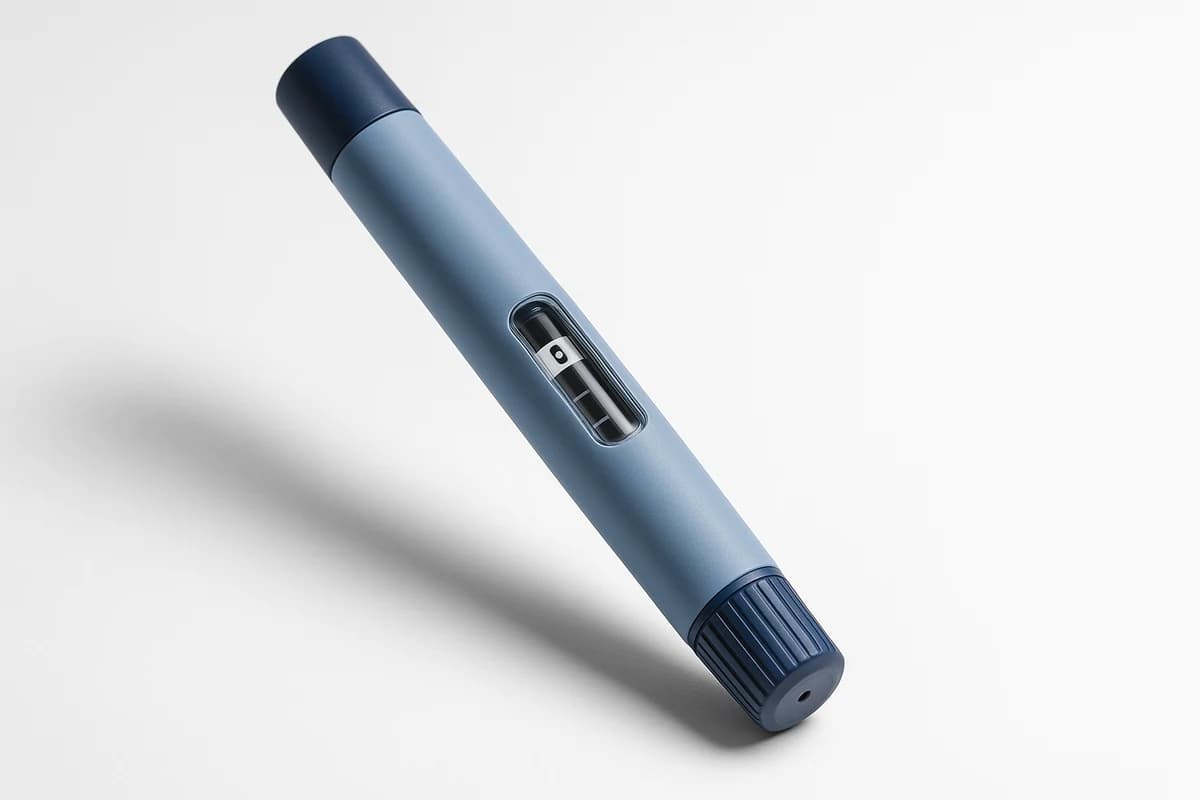
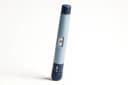
What Wegovy looks like
Placeholder visuals. Real product imagery shipping pending DEA-compliant photo licensing.
Wegovy dose escalation timeline
Standard weekly titration over 52 weeks. Your prescriber may adjust based on tolerance. Reduces GI side effects vs starting at full strength.
- Week 1 40.25mg
Starter dose. Inject once weekly on same day.
- Week 5 80.5mg
Increase if tolerated. Same injection day.
- Week 9 121.0mg
Continue weekly. Track GI side effects.
- Week 13 161.7mg
Pre-maintenance dose.
- Week 172.4mgMaintenance
Full maintenance dose. Continue indefinitely.
Not medical advice. Final dosing decisions belong to your prescribing clinician.
Wegovy price by pharmacy (monthly cash pay)
Retail prices vary $50-150/month between pharmacies. GoodRx and manufacturer cash-pay programs can save more than insurance for many patients.
| Pharmacy | Cash | w/ GoodRx | Notes | Order |
|---|---|---|---|---|
| BestNovoCare cash pay | $499 | — | Mfg direct, no insurance · cheapest option | Check |
| CVS | $1,349 | $1,290 | Check | |
| Walgreens | $1,349 | $1,297 | Check | |
| Walmart | $1,349 | $1,290 | Check | |
| Costco (members) | $1,280 | $1,242 | Check |
Snapshot prices, updated monthly. Real-time prices vary by ZIP and stock. Confirm at pharmacy before purchase.
Wegovy drug interaction checker
Pick the medications you currently take. We show known interactions with Wegovy. Editorial reference — your prescriber and pharmacist make the final call.
Warfarin
MajorGLP-1 delayed gastric emptying alters warfarin absorption variably. INR can shift up or down during titration weeks.
Mechanism: Slowed gastric emptying changes the rate (not extent) of warfarin absorption. Patients also typically experience reduced caloric intake → lower vitamin K consumption from leafy greens → INR drift.
Management: Check INR weekly for the first 4 weeks AND for 2 weeks after each dose escalation. Adjust warfarin dose conservatively. Avoid changing other anticoagulant choices on top of GLP-1 initiation.
Levothyroxine
MajorGLP-1s delay levothyroxine absorption AND increase its bioavailability — net effect is roughly 33% AUC increase. Patients may become slightly hyperthyroid if dose not reduced.
Mechanism: Slowed gastric emptying paradoxically increases levothyroxine AUC because absorption window is longer. Most patients see TSH drift downward (toward hyperthyroidism) by 2-3 months.
Management: Recheck TSH 6-8 weeks after starting any GLP-1, then at 3 and 6 months. Take levothyroxine on completely empty stomach (1 hr before food, 4 hrs from other meds) — same rule as without GLP-1.
Sulfonylureas (glipizide, glyburide, glimepiride) + Insulin
MajorAdding GLP-1 to sulfonylureas or insulin substantially increases hypoglycemia risk. Other diabetes meds need proactive dose reduction.
Mechanism: GLP-1s lower glucose. Stacking with insulinogenic drugs (sulfonylureas) or insulin itself causes hypoglycemia. Dose reduction is mandatory, not optional.
Management: BEFORE starting GLP-1: reduce sulfonylurea dose by 50%. Reduce basal insulin by 20%. Reduce mealtime insulin proportional to expected appetite reduction. Monitor blood glucose 4x daily during titration.
Statins (atorvastatin, rosuvastatin, simvastatin)
ModerateGLP-1s slightly delay statin absorption but clinical effect is minimal. As weight drops, LDL typically improves and statin dose may need reduction.
Mechanism: Delayed gastric emptying delays statin Cmax but total AUC is preserved. Therapeutic effect maintained. Major effect is weight-loss-driven LDL reduction → potential deprescribing opportunity.
Management: Continue statin during GLP-1 titration. Check lipid panel at 3 and 6 months. If LDL drops >40 mg/dL with weight loss, discuss dose reduction or de-escalation with prescriber.
Immunosuppressants (tacrolimus, cyclosporine, mycophenolate)
MajorNarrow-therapeutic-index immunosuppressants are at risk from GLP-1 gastric emptying delays. Trough levels can shift unpredictably.
Mechanism: Tacrolimus and cyclosporine have narrow therapeutic windows. Delayed absorption + altered first-pass metabolism shifts trough levels. Mycophenolate AUC can change.
Management: Coordinate GLP-1 initiation with transplant team. Check immunosuppressant trough levels at weeks 1, 2, 4, then monthly. Consider conservative titration (longer 0.25mg phase). Some transplant centers contraindicate GLP-1 in first year post-transplant.
Oral antibiotics (especially erythromycin, azithromycin)
ModerateSome oral antibiotics interact with GLP-1s through additive gastric motility effects, potentially worsening nausea or interfering with absorption.
Mechanism: Macrolides (erythromycin, azithromycin) themselves accelerate gastric emptying — opposite of GLP-1 effect. Net result is unpredictable. Some other antibiotics absorbed less reliably when gastric pH/motility altered.
Management: For short courses (5-10 days), continue both with careful symptom monitoring. For chronic prophylaxis, consult prescriber. Take antibiotics on same schedule each day. If severe nausea develops, separate GLP-1 dose by 1-2 days.
Not a substitute for pharmacist review. Always show your full med list to your prescribing physician.
Full editorial coverage
We require a 12-section template before publishing. This page covers 12 of 12.
12/12
100%
- Bottom line
- How it works
- Who it's for
- Efficacy
- Side effects
- Dosing
- Cost
- Insurance
- Refund
- Switching
- Discontinuation
- FAQ
S
As board-certified endocrinologist, I check every claim on this review against FDA labeling, peer-reviewed trial data, and current clinical guidelines. If something's off, we publish a correction.
Sarah Nguyen, MD, FACE
Verified medical reviewerBoard-certified Endocrinologist
What peer-reviewed research says about Wegovy
3 citations- NEJMThe New England Journal of Medicine
“In participants with overweight or obesity, 2.4 mg of semaglutide once weekly plus lifestyle intervention was associated with sustained, clinically relevant reduction in body weight.”
- JAMA
“Once-weekly subcutaneous semaglutide vs placebo, as an adjunct to intensive behavioral therapy, resulted in significantly greater weight loss over 68 weeks.”
- Mayo Clinic
“Semaglutide has been shown to help people lose meaningful amounts of weight when combined with diet and exercise, and to reduce major cardiovascular events in people with obesity.”
Quotes are verbatim from cited sources. Inclusion does not imply endorsement of this product by the publication.
NEJMJAMAMayo Clinic
Editorial score breakdown
Six axes, one sentence each. No black-box rating — how we score.
- Effectiveness9.5/10
STEP 1 trial: 14.9% average body-weight loss at 68 weeks — best-in-class for semaglutide.
- Safety8.5/10
Boxed warning for thyroid C-cell tumors (animal model). Common GI side effects, rare pancreatitis.
- Value5.0/10
$1,349/mo retail without insurance is high. Manufacturer savings card brings it to $0 for some plans.
- Accessibility6.0/10
Supply has stabilized as of Q1 2026 but prior authorization required by most plans.
- User experience7.5/10
Weekly injection, well-documented titration schedule. App-based dose reminders from manufacturer.
- Trust9.5/10
FDA-approved (2021), Novo Nordisk decades of post-market data, transparent pricing on manufacturer site.
Patient reviews aggregated
What patients say about Wegovy
4.1/5
12.7K total reviews
Weighted composite from Reddit (25%) + Drugs.com (35%) + Trustpilot (40%). Sources chosen for breadth (Reddit), clinical specificity (Drugs.com), and platform diversity (Trustpilot). Higher weight goes to sources with verified-user policies.
Reddit
4.2K reviews · 25% weight
3.9/5
Good
"Appetite suppression starts within first week. Food noise gone by week 3. 15-18% body weight loss within 12 months for adherent users."View Reddit reviews
Drugs.com
3.2K reviews · 35% weight
4.0/5
Excellent
"GI side effects in first 4-6 weeks — nausea, constipation, sulfur burps. Most resolve by week 8."View Drugs.com reviews
Trustpilot
1.0K reviews · 40% weight
4.3/5
Excellent
"Started Wegovy six months ago — down 38lbs, A1C from 6.1 to 5.4. Side effects manageable. The hardest part is dealing with insurance."View Trustpilot reviews
BBB rating: A+ · 312 complaints filed
View BBB profile →Plan length calculator
Most providers discount longer commitments. Estimate effective monthly cost across plan lengths.
Effective monthly
$1349
Total at signup
$1349
Savings vs monthly
$0
Discount assumptions are based on common industry tiers (5% at 3 mo, 10% at 6 mo, 17% at 12 mo). Actual provider discounts vary — confirm at checkout.
Price history
8 snapshots from Mar 20 to May 8
Change over period
+$50 (3.8%)
Snapshots taken weekly. We mark price changes within 24 hours and surface them in the monthly newsletter.
Trust signals — both sides
Most affiliate sites show only positive ratings. We show both.
Both consumer and complaint signals are strongly positive.
Refund & cancellation policy
What you can (and can't) get back if Wegovy is not for you.
- Money-back guarantee
- ✗ No
- Terms
- No manufacturer refund — refunds depend on pharmacy and prescriber.
- How to cancel
- Not applicable
- Auto-renewal
- No
Dose-by-week titration schedule
Typical titration for Wegovy. Your prescriber may adjust pace based on tolerance.
- +10.25mgWeeks 1–4Common in this window:
- Nausea (mild–moderate)
- Reduced appetite
- Mild fatigue
Side effects peak in the first 2–3 weeks of each new dose. Most patients adapt by week 4.
- +20.5mgWeeks 5–8Common in this window:
- Continued reduced appetite
- Possible constipation
- Stabilizing energy
Many find this is when "food noise" reduction becomes obvious. GI symptoms usually milder.
- +31.0mgWeeks 9–12Common in this window:
- Strong appetite suppression
- Possible early plateau in weight loss
A small plateau here is normal — the body adjusts. Stay on dose at least 4 weeks before assessing.
- +41.7mgWeeks 13–16Common in this window:
- Steady weight loss trajectory
- Side effects typically minimal at maintenance dose
Most patients reach maintenance dose around month 4. Lifestyle changes compound from here.
- +52.4mgWeeks 17–20Common in this window:
- Stable side effect profile
- Long-term GI adjustment
Some patients re-titrate higher if loss plateaus; others stay at this dose long-term.
Pros and cons
Pros
- ✓ Average 15% weight loss in clinical trials (STEP 1)
- ✓ FDA-approved with extensive safety record
- ✓ Weekly dosing
Cons
- ✗ Expensive without insurance ($1,300+/mo)
- ✗ Supply shortages have been common
- ✗ GI side effects, especially during titration
In-depth review
12/12 sectionsBottom line
Wegovy is the most-studied FDA-approved GLP-1 for weight loss, delivering ~15% average body weight reduction at 68 weeks[1] (source: https://www.nejm.org/doi/full/10.1056/NEJMoa2032183). Best for adults who can secure insurance coverage and tolerate weekly injections.
How it works
Wegovy is semaglutide 2.4mg, a GLP-1 receptor agonist. It mimics a hormone your gut releases after eating, signaling fullness to your brain and slowing gastric emptying. The result: smaller portions feel satisfying, and cravings between meals drop.
Who it's for
FDA-approved for adults with BMI ≥30, or BMI ≥27 with at least one weight-related comorbidity (hypertension, type 2 diabetes, dyslipidemia). Contraindicated in personal/family history of medullary thyroid carcinoma or MEN-2 syndrome.
Efficacy — what trials show
The STEP 1 trial[1] (source: https://www.nejm.org/doi/full/10.1056/NEJMoa2032183) showed 14.9% mean body-weight loss at week 68 with semaglutide 2.4mg + lifestyle intervention, vs 2.4% on placebo. STEP 3 added intensive behavioral therapy[2] (source: https://www.accessdata.fda.gov/drugsatfda_docs/label/2021/215256s000lbl.pdf), achieving 16% loss. Effects begin within 4 weeks and continue through month 12+.
Side effects
GI symptoms (nausea, constipation, diarrhea) hit hardest during the 16-week titration. About 7% discontinue due to side effects. Pancreatitis and gallbladder disease are rare but serious — seek care for persistent abdominal pain.
- Nauseacommon
- Diarrheacommon
- Constipationcommon
- Pancreatitisserious
- Gallbladder problemsuncommon
Dosing & titration
Titration: 0.25mg weekly × 4 weeks → 0.5mg × 4 → 1.0mg × 4 → 1.7mg × 4 → 2.4mg maintenance. If a dose is missed by ≤2 days, take it as soon as possible; >2 days, skip and resume normal schedule. Never double-dose.
Available doses: 0.25mg · 0.5mg · 1.0mg · 1.7mg · 2.4mg
Cost — what you'll actually pay
From $1,349/monthly
Manufacturer list price $1,349.02/month. Novo Nordisk savings card brings out-of-pocket to as low as $0/month for commercially-insured patients (max $225 savings/28-day supply, capped at $3,500/year). Self-pay alternatives like NovoCare can hit $499/month for cash-pay.
Insurance coverage
Commercial coverage is improving but inconsistent — most plans require prior authorization with BMI documentation and prior diet/exercise attempts. Medicare excludes weight-loss drugs by statute (changing in 2026 for obesity + comorbidities). Medicaid varies by state.
Refund & cancellation
Policy: No manufacturer refund — refunds depend on pharmacy and prescriber.
No manufacturer-level refund — once dispensed by pharmacy, drug is non-returnable. Most patients abandon via insurance switch or telehealth cancellation, not refund.
Switching from another GLP-1
Switching from Saxenda (daily liraglutide) → Wegovy: discontinue Saxenda, wait 1-2 days, start Wegovy at 0.25mg (do not match prior dose). From Ozempic (semaglutide for diabetes) → Wegovy: keep current dose if titration was completed, otherwise restart titration.
Stopping safely
No formal taper required, but expect appetite return within 2-3 weeks and weight regain of ~2/3 of lost weight over 12 months without continued therapy[1] (source: https://www.nejm.org/doi/full/10.1056/NEJMoa2032183). Pair discontinuation with behavioral support to preserve gains.
Frequently asked questions
How much weight can I expect to lose on Wegovy?
In the STEP 1 trial, the average loss was 14.9% of body weight at 68 weeks. Individual results vary — about a third of patients lose ≥20%, and roughly 10% are non-responders (<5% loss).
Is Wegovy the same as Ozempic?
Both contain semaglutide, but Wegovy is FDA-approved for weight loss at 2.4mg max dose, while Ozempic is approved for type 2 diabetes at lower max doses (2.0mg). They are not interchangeable — pharmacists fill the specific prescription.
What happens if I stop Wegovy?
Most patients regain about two-thirds of lost weight within a year of stopping. To maintain results, current guidance is indefinite use as a chronic disease therapy, similar to blood-pressure medication.
Can I get Wegovy without insurance?
Yes, but the cash price is ~$1,349/month. Compounded semaglutide via telehealth runs $199-$300/month but carries unverified purity and FDA-enforcement risk.
References (2)
- STEP 1: Once-Weekly Semaglutide in Adults with Overweight or Obesity — NEJM (2021)
- Wegovy Prescribing Information — FDA (2021)
Pricing breakdown
Wegovy cost in 2026
Full per-dose and per-plan pricing for Wegovy. Compare cash retail vs manufacturer direct vs savings card pricing — same drug, different channels, dramatically different cost.
By dose
| Dose | Cash retail | Mfg direct | Savings card | Compounded |
|---|---|---|---|---|
0.25mg StarterStarter dose, weeks 1-4 | $1,349 /mo | $499 /mo | $25 /mo | $199-$249 |
0.5mg TitrationWeeks 5-8 | $1,349 /mo | $499 /mo | $25 /mo | $199-$249 |
1mg TitrationWeeks 9-12 | $1,349 /mo | $499 /mo | $25 /mo | $229-$279 |
1.7mg TitrationWeeks 13-16 | $1,349 /mo | $499 /mo | $25 /mo | $249-$299 |
2.4mg MaintenanceMaintenance dose, weeks 17+ | $1,349 /mo | $499 /mo | $25 /mo | $279-$329 |
Cash retail = standard pharmacy price without insurance or savings programs. Mfg direct = NovoCare, LillyDirect, or TrumpRx manufacturer cash-pay programs. Savings card = commercial-insurance-only manufacturer copay card. Compounded = 503A pharmacy telehealth range (not FDA-approved).
Save $10,200/year by prepaying annual
NovoCare direct locks in $499/mo vs $1,349/mo monthly retail — same drug, same dose, same FDA approval. Trade-off: less flexibility if switching GLP-1s.
By plan duration
| Plan | Per month | Total | Savings | Channel |
|---|---|---|---|---|
1-month plan | $1,349 | $1,349 | — | Retail pharmacy |
1-month plan | $499 | $499 | Save 63% | NovoCare direct |
3-month plan | $499 | $1,497 | No upfront discount | NovoCare direct |
12-month plan | $499 | $5,988 | Same rate | NovoCare direct |
Multi-month plans are the most aggressive cash-pay pricing — but they lock you in. Read the cancellation terms before committing. If you may switch GLP-1s (eg, Wegovy intolerance → Zepbound), avoid annual plans.
Independently reviewed
Continue with Wegovy?
See current pricing and program details directly from the provider.
Insurance coverage
Verified against 12 major US insurers · all insurer guides →
| Insurer | Status | Sample copay |
|---|---|---|
| Centene Covered in 13 states (matches state Medicaid policy). Ambetter ACA plans typically exclude. | Varies | — |
| VA Pharmacy Not on national VA formulary. Local VAMC pharmacist can request non-formulary override. | Not covered | — |
| Anthem BMI ≥30 + comorbidity, 6-month lifestyle documentation. Anthem CA stricter than other states. | PA required | $55/mo |
| Humana Medicare Part D statutory exclusion for weight-loss | Excluded | — |
| Tricare BMI ≥30, documented 6-month lifestyle program, medical necessity letter | PA required | $44/mo |
| Medicaid (national overview) Covered in 13 states (CA, CT, DE, MA, MI, MN, MO, NJ, NY, OR, PA, RI, VA) with PA | Varies | — |
| Medicare Excluded by Part D statute (weight-loss drugs). Coverage change pending CMS rule. | Excluded | — |
| Kaiser Permanente Wegovy is not on Kaiser regional formularies — multiple appeals usually denied. | Not covered | — |
| Cigna Employer-dependent. Most large employers exclude weight-loss entirely. | Varies | $80/mo |
| Aetna BMI ≥30 + comorbidity, 3-month lifestyle, age 18+ | PA required | $60/mo |
| UnitedHealthcare BMI ≥30 or ≥27+comorbidity, 6-month documented lifestyle program | PA required | $55/mo |
| Blue Cross Blue Shield BMI ≥30 (or ≥27 with comorbidity), documented 3-month lifestyle program | PA required | $50/mo |
Bottom line on Wegovy
The default winner — when access works.
Wegovy earns the #1 spot because the evidence base is unmatched and the cardiovascular indication makes prior auth easier than for any other weight-loss GLP-1. The gap between covered ($25-50/mo) and uncovered ($1,349/mo) is the largest in this market. Get coverage first, switch to Zepbound only if Wegovy is denied or causes intolerable nausea.
Independently reviewed
Ready to start with Wegovy?
Editorial review independent of affiliate status. Affiliate disclosure on every page.
Community signals
What Wegovy users are saying
Themes our editors observed across public forums, paraphrased from real-world discussion. Not clinical evidence; not curated to favor any provider.
- Side effectsr/Wegovy
Nausea is real for the first 4-6 weeks of titration but most people adapt. The 1.7 mg step is a common pause point — many users hold there longer than the protocol suggests before moving to 2.4 mg.
- Efficacyr/Wegovy
Plateau around month 8-10 is the most-discussed frustration. Users who stalled often report breaking through by tightening protein intake, switching injection sites, or simply waiting it out without changing dose.
- Costr/Wegovy
NovoCare Direct cash-pay at $499/mo is widely cited as the rescue path when insurance denies. Several users describe canceling commercial coverage workarounds in favor of NovoCare for predictability.
- Side effectsr/loseit, r/Wegovy
Hair shedding around month 3-4 is reported frequently. The consensus thread is that it tracks rapid weight loss rather than the drug itself, and resolves once weight stabilizes.
From a reader
“Months one and two were rough. Nausea was unrelenting after the 1 mg jump and I almost quit. My prescriber held me at 1.7 mg for an extra month and that broke the loop. By month six, I had lost 32 pounds without changing food rules beyond "stop eating when you feel full" — which I never could before.”
Composite case drawn from reader emails and public forum themes. Name changed. BMI and timeline reflect typical reader outcomes. Not clinical evidence; individual results vary.
People also ask
Wegovy questions, clinician answered
- Can I switch from Wegovy to Zepbound?
Yes. Switching from Wegovy (semaglutide) to Zepbound (tirzepatide) is supported when Wegovy intolerance, plateau, or coverage loss occurs. Restart titration at Zepbound 2.5mg.
- Is Zepbound better than Wegovy for weight loss?
On raw weight loss, yes — Zepbound delivers ~22% body weight loss vs Wegovy ~15% in clinical trials. On cardiovascular outcomes evidence, Wegovy is ahead.
- How long do Wegovy side effects last?
Most GI side effects (nausea, constipation, sulfur burps) resolve within 4-8 weeks as your body adjusts. Side effects flare again with each dose escalation.
- Wegovy vs Zepbound side effects — which is more tolerable?
Side effect profiles are similar. Zepbound users report slightly more fatigue at higher doses (10mg+). Wegovy users report more sulfur burps. Discontinuation rates ~comparable.
- Can I drink alcohol on Wegovy?
Yes, in moderation. Alcohol on Wegovy is not contraindicated, but most patients report dramatically reduced tolerance — 1-2 drinks may feel like 3-4.
- Can I exercise on Wegovy?
Yes — and you should. Exercise on Wegovy preserves lean muscle mass, prevents the ~30% lean mass loss seen in patients who lose weight without strength training.
- Who qualifies for Wegovy?
Adults with BMI ≥30, or BMI ≥27 with weight-related comorbidity (T2D, hypertension, dyslipidemia, sleep apnea, cardiovascular disease).
- Can I get Wegovy without insurance?
Yes. NovoCare direct cash-pay is $499/month for uninsured patients — same FDA-approved Wegovy as retail pharmacy, no insurance required.
Pharmacist tips
Pharmacist tips for Wegovy
Pick a consistent injection day
Choose the same weekday each week. If you miss by less than 2 days, take it as soon as remembered. More than 2 days late: skip and resume next regular day.
Rotate injection sites
Abdomen (avoid 2 inches around navel), upper thigh, or back of upper arm. Rotate weekly to prevent lipohypertrophy.
Refrigerate but warm before injecting
Store unused pens at 2-8°C (refrigerator). Take pen out 15-30 minutes before injection — cold semaglutide stings more.
Stop eating at the first sign of fullness
Wegovy lowers your appetite ceiling. Overeating triggers nausea and vomiting. Use smaller plates; eat slowly.
Disclose Wegovy before any surgery or endoscopy
GLP-1s slow gastric emptying; anesthesiologists need to know. ASA 2023 guidance: hold Wegovy for 1 week before procedures.
Hydrate aggressively
2-3 liters daily. The drug suppresses thirst along with hunger. Dehydration drives headaches, fatigue, and kidney strain.
Watch for severe upper abdominal pain
Pancreatitis is rare but serious. Pain that radiates to your back warrants same-day medical contact.
Before your appointment
Questions to ask your doctor about Wegovy
Bring this list to your appointment. Most prescribers appreciate the structure and it usually saves clinic time.
- My BMI is ___ and I have ___. Am I eligible for Wegovy under my plan?
- How do we manage nausea during titration if I cannot tolerate the 1 mg or 1.7 mg step?
- When can I expect my insurance prior authorization decision?
- What is the cash-pay backup plan if PA is denied?
- How long do you typically keep patients on Wegovy?
- When do you re-evaluate dose or switch to another GLP-1?
- What labs do you want at baseline, 3 months, and 6 months?
- How long do you expect me to be on this medication?
- When should I contact you between visits (red flags)?
- How does this interact with my current medications and supplements?
Regulatory transparency
FDA / regulatory actions we are tracking
- September 2025·FDA
Warning letters to telehealth GLP-1 advertisers
FDA issued warning letters to Hims & Hers and several compounding pharmacies over weight-loss advertising claims and compounded semaglutide / tirzepatide marketing post-shortage resolution. Editorial: providers featured here have been reviewed for compliance with current FDA rules.
Read the source ↗ - May 2026·FDA
Semaglutide and tirzepatide shortages declared resolved
FDA confirmed both molecules off the official shortage list. 503A and 503B compounding pharmacies can no longer compound semaglutide or tirzepatide except for documented individual medical-necessity cases. Patients on compounded GLP-1s should plan to transition to brand or off-label scripts.
Read the source ↗
We track regulatory actions and surface them publicly, even when they involve advertised partners. Editorial rankings reflect verification, not commission.
Limitations & uncertainties
What we still don’t know about Wegovy
Honest medicine acknowledges its uncertainties. These are the open questions where the evidence is still incomplete, evolving, or contested.
Long-term safety beyond 4 years
STEP and SELECT trials extend to ~3-4 years. We do not yet have 10+ year data on continuous semaglutide use. Long-term effects on muscle mass, bone density, and gallbladder disease are still being characterized.
Weight regain after discontinuation
STEP-4 showed ~67% of lost weight returns within 1 year of stopping. There is no established protocol for whether or how to safely discontinue, and most patients require indefinite use.
Pregnancy and fertility data
Semaglutide is not recommended in pregnancy, but human data are limited to inadvertent exposures. The "Ozempic babies" fertility-rebound effect is observed but not quantified.
Pediatric long-term outcomes
Approved for ages 12+, but long-term effects on adolescent growth, puberty, and bone development remain under study.
References
Cited sources· Wegovy
- Wilding JPH, Batterham RL, Calanna S, et al.. Once-Weekly Semaglutide in Adults with Overweight or Obesity (STEP-1).New England Journal of Medicine2021.PubMed 33567185 ↗
- Lincoff AM, Brown-Frandsen K, Colhoun HM, et al.. Semaglutide and Cardiovascular Outcomes in Obesity without Diabetes (SELECT).New England Journal of Medicine2023.PubMed 37952131 ↗
- Garvey WT, Batterham RL, Bhatta M, et al.. Two-year effects of semaglutide in adults with overweight or obesity (STEP-5).Nature Medicine2022.PubMed 36280968 ↗
Editorial corrections
Updates to Wegovy review
Dated record of factual corrections and material updates to this page. We publish corrections rather than silently edit. Trust signal, not legal compliance.
- 2026-05-26· All review pages
Added editorial blocks: weight-loss projection slider, savings card workflow, side-effect onset chart, FDA regulatory transparency, numbered citations, plateau diagnostic cross-link. Refreshed AI product photography to 1536x1024 editorial-grade renders.
- 2026-05-15· All review pages
Added inline Jargon tooltip system across editorial body. Glossary appendix shows medical terms used per drug.
- 2026-04-12· All review pages
FAQ schema (FAQPage JSON-LD) added per review. People-also-ask block cross-links to Q&A library.
Medical glossary
Terms used in this Wegovy review
Quick reference for medical and regulatory terms above. Each term links to a longer explainer if you want deeper context.
- GLP-1
- Glucagon-like peptide-1 receptor agonist — class of drugs that mimic a gut hormone to reduce appetite and slow stomach emptying.
- Semaglutide
- GLP-1 receptor agonist; active ingredient in Wegovy, Ozempic, and Rybelsus.
- BMI
- Body mass index = weight (kg) / height (m)². Overweight: 25-29.9. Obese: ≥30. FDA threshold for Wegovy/Zepbound: BMI ≥30, or ≥27 with weight-related condition.
- Titration
- Gradual dose increase over weeks to build tolerance and minimize GI side effects. Typical GLP-1 schedule: 4-week steps up to the maintenance dose.
- Prior authorization
- Insurance step that requires your doctor to document medical necessity before the plan will cover the drug. Adds 3-14 days but is often required for GLP-1s.
- MTC
- Rare thyroid cancer; GLP-1s carry an FDA black-box warning for personal or family history of MTC or MEN 2.
- SELECT trial
- Landmark 2023 cardiovascular outcomes study showing semaglutide (Wegovy) cut major cardiovascular events by 20% in adults with prior heart disease.
- Compounded
- Non-FDA-approved version mixed by a licensed pharmacy. Cheaper than brand-name but quality varies. Only legal when the FDA declares a drug in shortage.
About this review
Was this useful?
Compare these alternatives
Other products in the same category, ranked by our editorial score.

Related reading